
Finding the best mortgage refinance rates is a smart move for many homeowners. With the right rate, you can lower your monthly payments, reduce interest costs, or even pay off your home faster. But getting a good deal isn’t always simple.
Rates change daily, and lenders use different rules. If you know what affects rates and how to compare lenders, you can save thousands of dollars. Let’s break down the essentials so you can confidently secure the best mortgage refinance rates for your situation.
What Is Mortgage Refinancing?
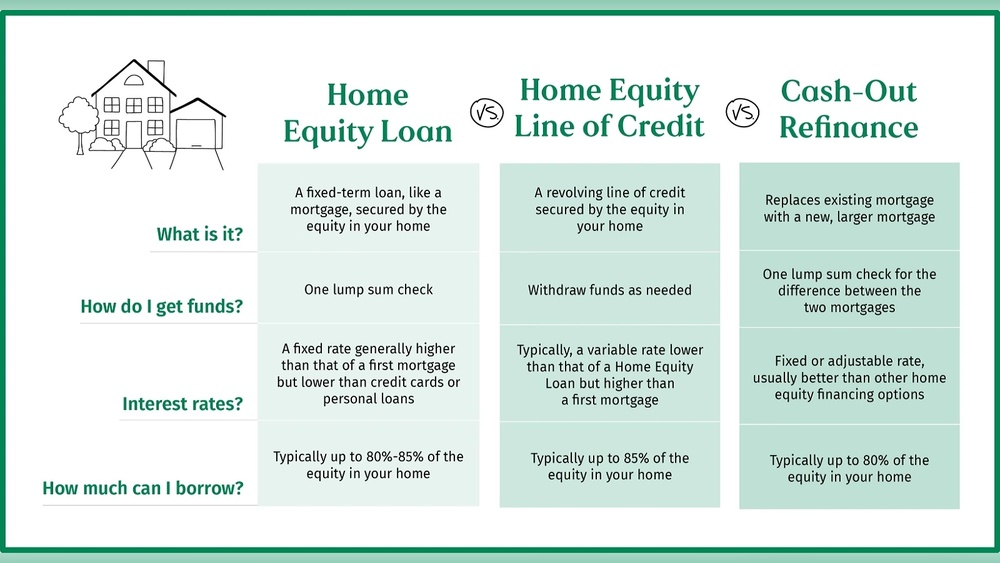
Mortgage refinancing means replacing your current home loan with a new one. Most people refinance to get a lower interest rate, change the loan term, or switch from an adjustable rate to a fixed rate. Others refinance to cash out some equity or consolidate debt. The goal is simple: make your mortgage work better for you.
When you refinance, the lender pays off your old loan and gives you a new one. You then start making payments on the new loan. Sometimes, you pay closing costs, which can include appraisal fees, title insurance, and other charges.
Why Mortgage Refinance Rates Matter
The interest rate is the biggest factor in your refinance decision. Even a small rate drop can mean big savings. For example, lowering your rate from 6.5% to 5.5% on a $300,000 loan can save over $50,000 in interest over 30 years.
Refinance rates depend on:
- Your credit score
- Your home equity
- Loan-to-value ratio (LTV)
- Debt-to-income ratio (DTI)
- Current market rates
- Loan type (fixed vs. adjustable)
Lenders look at these factors to set your rate. If you improve your credit or build more equity, you can often get a better deal.
Current Mortgage Refinance Rate Trends
As of mid-2024, rates have been quite volatile. According to Freddie Mac, the average 30-year fixed refinance rate is around 6. 7%. Rates have climbed since 2022, but some experts expect them to stabilize or slowly drop as inflation cools.
Here’s a quick snapshot of typical refinance rates for different loan types:
| Loan Type | Average Rate (June 2024) | Typical Range |
|---|---|---|
| 30-Year Fixed | 6.7% | 6.4% – 6.9% |
| 15-Year Fixed | 6.0% | 5.8% – 6.3% |
| 5/1 ARM | 6.3% | 6.0% – 6.5% |
Rates change daily. Always check the latest numbers before applying.
How To Qualify For The Best Refinance Rates
Getting the lowest refinance rates isn’t automatic. Lenders reward borrowers who look less risky. Here’s how you can improve your chances:
Boost Your Credit Score
A higher credit score often means a lower rate. Most lenders require at least 620, but a score above 740 will get you the best deals. Pay down credit cards, check your credit report for errors, and avoid new debt before applying.
Increase Home Equity
Lenders prefer borrowers with more home equity. If your loan-to-value (LTV) ratio is under 80%, you usually qualify for better rates. You can build equity by paying extra on your mortgage or if your home’s value rises.
Lower Debt-to-income Ratio
A low debt-to-income (DTI) ratio shows you can handle payments. Most lenders want a DTI below 43%. You can improve this by paying off debts or increasing your income.
Choose The Right Loan Type
15-year loans often have lower rates than 30-year loans. But your monthly payment will be higher. Adjustable-rate mortgages (ARMs) start low but can rise later. Pick a loan type that matches your goals and risk level.
Comparing Lenders For The Best Rates
Not all lenders offer the same rates. Some specialize in certain loans or regions. Comparing lenders is key to finding the best deal.
Here’s a simple comparison of three types of mortgage lenders:
| Lender Type | Typical Rates | Pros | Cons |
|---|---|---|---|
| Banks | 6.5% – 6.9% | Trusted brands, local branches | Strict requirements, slower process |
| Credit Unions | 6.2% – 6.7% | Lower fees, member-focused | Membership required, less variety |
| Online Lenders | 6.1% – 6.8% | Fast, easy comparison, flexible terms | No face-to-face help, digital only |
Always get quotes from at least three lenders. Ask for a Loan Estimate to compare interest rates, fees, and terms.
Common Fees And Costs To Watch For
Refinancing isn’t free. You’ll pay closing costs, which can range from 2% to 5% of the loan amount. Typical fees include:
- Appraisal fee: $300–$500
- Origination fee: 0.5%–1% of the loan
- Title insurance: $500–$1,000
- Credit report fee: $30–$50
- Underwriting fee: $400–$600
Some lenders offer no-closing-cost refinance options. They roll costs into the loan, but you might pay a higher rate. Always check the total cost over the life of the loan.

When Is Refinancing Worth It?
Refinancing makes sense if the savings are bigger than the costs. Most experts say you should aim to cut your rate by at least 0.75%. But other factors matter, too:
- How long you’ll stay in the home
- Your current loan balance
- The new payment amount
- Closing costs
Here’s a quick example. If you refinance a $250,000 loan from 7% to 6% for 30 years, your payment drops from $1,663 to $1,498. That saves $165 per month and nearly $60,000 in interest over the loan’s life.
But if you plan to move soon, the savings may not cover the costs. Calculate your break-even point—the time it takes for savings to offset fees. If you’ll stay longer than that, refinancing is usually a good choice.
Best Practices For Securing Low Refinance Rates
Many homeowners miss simple steps that can help them get lower rates. Here are some tips that are often overlooked:
- Lock Your Rate: Once you find a good rate, ask your lender to lock it. Rates can change before closing, so a lock protects you.
- Shop Around: Don’t settle for the first offer. Each lender has its own formula, so rates and fees can vary a lot.
- Negotiate Fees: Some closing costs can be reduced. Ask your lender for discounts or waivers.
- Use Points Wisely: Paying for discount points lowers your rate. Each point costs 1% of the loan and can cut your rate by 0.25%. But points only pay off if you plan to stay in your home for years.
Many people forget to check their credit report for mistakes before applying. Even a small error can bump up your rate. Also, refinancing too often can cost more in fees than you save in interest.
Real-life Example: Refinancing In Action
Let’s look at a practical case. Maria owns a home with a $200,000 mortgage at 6. 8%. She wants to refinance to a 15-year loan at 6. 0%. She has a credit score of 760 and 25% equity in her home.
- Current monthly payment (30-year): $1,306
- New monthly payment (15-year): $1,688
- Total interest saved: Over $90,000
Maria pays $4,000 in closing costs. She plans to stay in the home for at least 10 years. Her higher payment fits her budget, and the long-term savings make refinancing a smart choice.
Comparing Refinance Rates: Fixed Vs. Adjustable
Should you choose a fixed or adjustable rate? Both have strengths and risks. Here’s a side-by-side look:
| Loan Type | Initial Rate | Rate Stability | Best For |
|---|---|---|---|
| Fixed-Rate | 6.7% | Stays the same | Long-term homeowners |
| Adjustable-Rate (ARM) | 6.3% | Can change | Short-term or risk-tolerant |
Fixed-rate loans give you peace of mind. ARMs start lower but can rise later. If you plan to move or refinance again soon, an ARM can save money. But always check how high the rate can go and how often it adjusts.
Tips For Timing Your Refinance
Timing matters. Rates rise and fall based on the economy, inflation, and Federal Reserve actions. Here’s how you can time your refinance:
- Watch economic news: When inflation drops, rates often follow.
- Check lender websites daily: Rates can change overnight.
- Avoid refinancing during busy seasons: Lenders may offer better deals in slow months.
One non-obvious tip: Some lenders run special offers when their business slows down, usually in winter. This can mean lower rates or reduced fees.
Where To Find The Best Refinance Rates
You can find rates on lender websites, mortgage comparison tools, or through brokers. Some popular sources include:
- Bankrate.com
- LendingTree
- Your local bank or credit union
Online tools let you compare rates quickly. But always check reviews and ask for a written quote.
For more detailed data and trends on mortgage rates, visit Freddie Mac.
Frequently Asked Questions
How Often Can I Refinance My Mortgage?
You can refinance as often as you like, but fees and costs can add up. If you refinance too soon after your last loan, you may pay extra charges or lose out on savings.
What Documents Do I Need To Refinance?
Lenders usually ask for proof of income, recent tax returns, bank statements, credit reports, and information about your home. Having these ready speeds up the process.
Will Refinancing Hurt My Credit Score?
A refinance can cause a small, temporary drop in your credit score. This happens because lenders check your credit. Over time, your score can improve if payments stay on track.
Can I Refinance If I Have Little Home Equity?
Some programs, like FHA Streamline, let you refinance with low equity. But rates may be higher, and you may need to pay for mortgage insurance.
Is It Possible To Refinance With Bad Credit?
It’s harder, but possible. You may pay higher rates, and fewer lenders will approve you. Improving your credit before applying can help you get better offers.
Securing the best mortgage refinance rates takes preparation and smart choices. By understanding what affects rates and comparing lenders, you can find a deal that fits your budget and goals. Remember to check fees, lock your rate, and weigh the long-term savings.
With a little effort, you can turn your mortgage into a tool that saves money and builds wealth for years to come.
Read More:
- Best Term Life Insurance Companies: Top Picks for 2026
- Insurance Explained: Smart Tips to Protect Your Future Today
- Homeowners Insurance Quote: How to Save Big on Your Policy
- Compare Auto Insurance Rates: Find the Best Deals in Minutes
- Car Insurance Quotes Online: Compare Rates and Save Today
- Personal Loan Pre Approval Online: Fast Track Your Approval Today
- Home Equity Loan Rates Comparison: Find the Best Deals Today
- Debt Consolidation Loan Rates: How to Find the Best Deal