
When you need to compare auto insurance rates, the process can feel confusing. Many people worry about paying too much or missing out on better deals. Car insurance prices change based on many things — your driving history, age, where you live, and even your credit score. Making the right choice can save you hundreds of dollars every year, but finding the best rate takes some effort. In this guide, you’ll learn how to compare rates confidently, understand what affects pricing, and avoid mistakes many beginners make. By the end, you’ll know exactly how to get a great deal without sacrificing coverage.
Why Auto Insurance Rates Vary
Car insurance rates are not the same for everyone. Two people with similar cars may pay very different amounts. Here are the main reasons why prices change:
- Location: If you live in a busy city, your rates are usually higher. Cities have more accidents and thefts, so insurance companies charge more. Rural areas often cost less.
- Driving record: If you have a clean record, you pay less. Tickets, accidents, or DUIs will increase your price.
- Age and experience: Young drivers often pay more. They have less experience and are seen as higher risk. Older, experienced drivers usually pay less.
- Type of car: A sports car costs more to insure than a family sedan. Expensive cars, or cars that are often stolen, raise your rate.
- Coverage level: More coverage means higher cost. If you choose only the minimum required, your price drops.
- Credit score: In many states, a better credit score can lower your rates. Insurers believe people with good credit are less risky.
- Claims history: If you made several claims before, insurers will see you as risky and charge more.
Non-obvious insight: Even your ZIP code can change your rate. Sometimes moving just a few blocks can lower your insurance costs, especially in large cities.
How To Compare Auto Insurance Rates Effectively
Comparing insurance rates is not just about looking at price. You need to check what the policy includes, how reliable the company is, and what extras you get.
Step-by-step Guide
- Gather your information: Before you start, collect details about your car, your driving history, and the type of coverage you want.
- Use multiple sources: Don’t rely on just one website or agent. Check at least three different companies. Online tools, local agents, and direct company websites all offer different rates.
- Check coverage types: Make sure you’re comparing similar policies. Look for differences in liability, collision, comprehensive, uninsured motorist, and personal injury protection.
- Look beyond price: Sometimes a cheaper policy has less coverage or higher deductibles. Check the fine print.
- Ask about discounts: Many companies offer discounts for things like safe driving, bundling with home insurance, or being a student.
- Review customer service: A low price is good, but you want a company that helps quickly if you have a claim.
Common Mistakes When Comparing Rates
- Only checking the monthly price and ignoring coverage details.
- Not asking about hidden fees or charges.
- Forgetting to check the company’s claims reputation.

Key Factors In Auto Insurance Pricing
Let’s break down how rates are calculated. Insurance companies use data and statistics to set prices. Here’s a simple overview:
| Factor | Effect on Rate | Example |
|---|---|---|
| Driving Record | Major | Clean record saves up to 30% vs. with accidents |
| Age | High for young drivers | 18-year-old may pay double vs. 40-year-old |
| Vehicle Type | High for sports/luxury | Insuring a BMW costs more than a Toyota |
| Location | High for urban areas | NYC rates are 50% higher than rural NY |
| Credit Score | Moderate | Poor credit can raise rates by 20% |
Non-obvious insight: Some insurers weigh factors differently. One company might care more about your credit score, while another focuses on your driving history. Always check several companies.
Comparing Coverage Types
Insurance isn’t just about price. The kind of coverage you choose can change your costs and your protection. Here’s a quick look at common coverage types:
| Coverage Type | What It Covers | Required? |
|---|---|---|
| Liability | Damage/injury to others | Yes (most states) |
| Collision | Your car in accidents | No |
| Comprehensive | Theft, fire, vandalism | No |
| Uninsured Motorist | Accidents with uninsured drivers | Sometimes |
| Personal Injury Protection | Medical bills, lost wages | Some states |
Example: If you lease your car, the lender usually requires collision and comprehensive. If your car is older and paid off, you might skip these to save money.
Sample Price Comparison
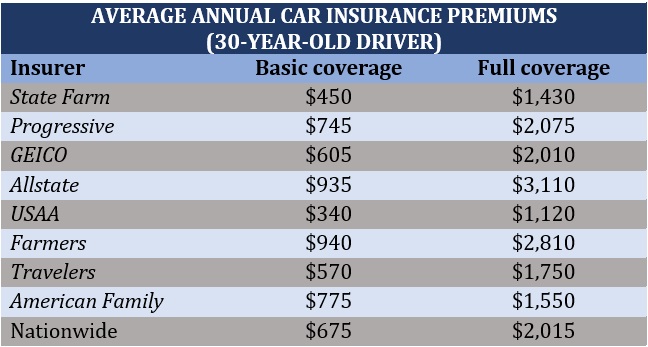
To help you see the difference, here’s a sample comparison of three major insurance companies for a 30-year-old driver in Texas with a clean record and a 2018 Toyota Corolla.
| Company | Monthly Rate | Deductible | Coverage |
|---|---|---|---|
| Allstate | $110 | $500 | Liability + Collision + Comprehensive |
| GEICO | $95 | $500 | Liability + Collision + Comprehensive |
| State Farm | $120 | $500 | Liability + Collision + Comprehensive |
This example shows that even for similar coverage, prices can vary. Always check what’s included — sometimes a higher price comes with extra benefits, like roadside assistance or rental car coverage.
How To Save Money When Comparing Auto Insurance Rates
Finding a lower rate is possible if you know where to look and what to ask.
- Shop around every year: Rates change. Your current insurer may raise prices, while others offer better deals.
- Increase your deductible: If you can afford to pay more out of pocket after an accident, your monthly rate drops.
- Bundle policies: If you have home or renters insurance, ask about bundling. This often lowers both rates.
- Ask about discounts: Good driver, student, military, and senior discounts are common.
- Improve your credit score: In states where it matters, better credit means better rates.
- Drive less: Some companies give lower rates if you drive fewer miles per year.
Non-obvious insight: Some insurers offer telematics programs. If you agree to let them track your driving with a phone app or device, you may get big discounts for safe driving.
Tools And Resources For Comparing Rates
You don’t have to do everything by yourself. Many online tools make comparing rates easier. Popular options include:
- Insurance comparison websites: Sites like NerdWallet, The Zebra, and Compare.com let you see multiple offers quickly.
- State insurance departments: Most states have official websites listing average rates and complaint records.
- Company websites: Go directly to insurers and get quotes based on your details.
- Agents and brokers: Local professionals can explain options and help you find deals.
If you want to see real data and tips, visit the USA.gov auto insurance page for official advice.
What To Watch Out For When Comparing
Not all offers are equal. Here are things to be careful about:
- Hidden fees: Some companies add processing fees or extra charges that aren’t obvious.
- Policy exclusions: Check if certain things aren’t covered, like rental cars or roadside service.
- Changes after signup: Sometimes rates go up after the first few months. Read the contract.
- Claim service: Cheap insurance is useless if they delay or deny claims.
Experienced buyers often check online reviews and ask friends about their experiences. Don’t ignore customer service — it can make a big difference during stressful times.
How Your Needs Affect Rate Comparison
Everyone’s situation is unique. Here’s how to adjust your search based on your needs:
- Young drivers: Look for companies that specialize in first-time drivers. They often offer training programs or discounts.
- Families: Multi-car policies usually offer better rates. Ask about family packages.
- Seniors: Some insurers have special programs for drivers over 55.
- High-risk drivers: If you have a poor driving record, look for companies that accept high-risk clients. Rates may be higher, but specialized companies may be more forgiving.
Frequently Asked Questions
What’s The Best Way To Compare Auto Insurance Rates?
The best way is to use several sources — online comparison sites, company websites, and local agents. Make sure you compare the same coverage types and check for discounts.
How Often Should I Shop For Auto Insurance?
It’s smart to check rates every year or whenever your situation changes, like moving, buying a new car, or improving your driving record.
Does Credit Score Really Affect Car Insurance Rates?
Yes, in most states, your credit score can change your rate. A good score can save you money, but some states don’t allow insurers to use credit in pricing.
Can I Switch Insurance Companies Anytime?
Yes, you can change companies whenever you want. Just make sure you don’t let your coverage lapse — always have your new policy start before the old one ends.
What’s The Difference Between Liability And Full Coverage?
Liability only pays for damage you cause to others. Full coverage usually means liability plus collision and comprehensive, covering your own car from accidents, theft, and other risks.
Choosing the right auto insurance takes patience and research. If you focus only on price, you may miss out on important coverage or good service. Use tools and resources to check several companies, pay attention to coverage details, and ask about discounts.
Remember, your needs can change over time, so review your policy regularly. With the right approach, you can confidently compare auto insurance rates and find the best deal for your situation.

Read More:
- Best Term Life Insurance Companies: Top Picks for 2026
- Insurance Explained: Smart Tips to Protect Your Future Today
- Homeowners Insurance Quote: How to Save Big on Your Policy
- Car Insurance Quotes Online: Compare Rates and Save Today
- Personal Loan Pre Approval Online: Fast Track Your Approval Today
- Home Equity Loan Rates Comparison: Find the Best Deals Today
- Debt Consolidation Loan Rates: How to Find the Best Deal
- Best Mortgage Refinance Rates: Unlock the Lowest Rates Today