
Home equity loans are popular for homeowners who want to borrow money at lower interest rates. These loans use your home as collateral, which often means better terms than unsecured options. But finding the best rate is not simple. Rates depend on many factors, including your credit score, loan amount, and lender policies.
Comparing home equity loan rates can help you save thousands over the life of your loan. This guide explains how rates work, what affects them, and how to compare options to find the best deal.
What Is A Home Equity Loan?
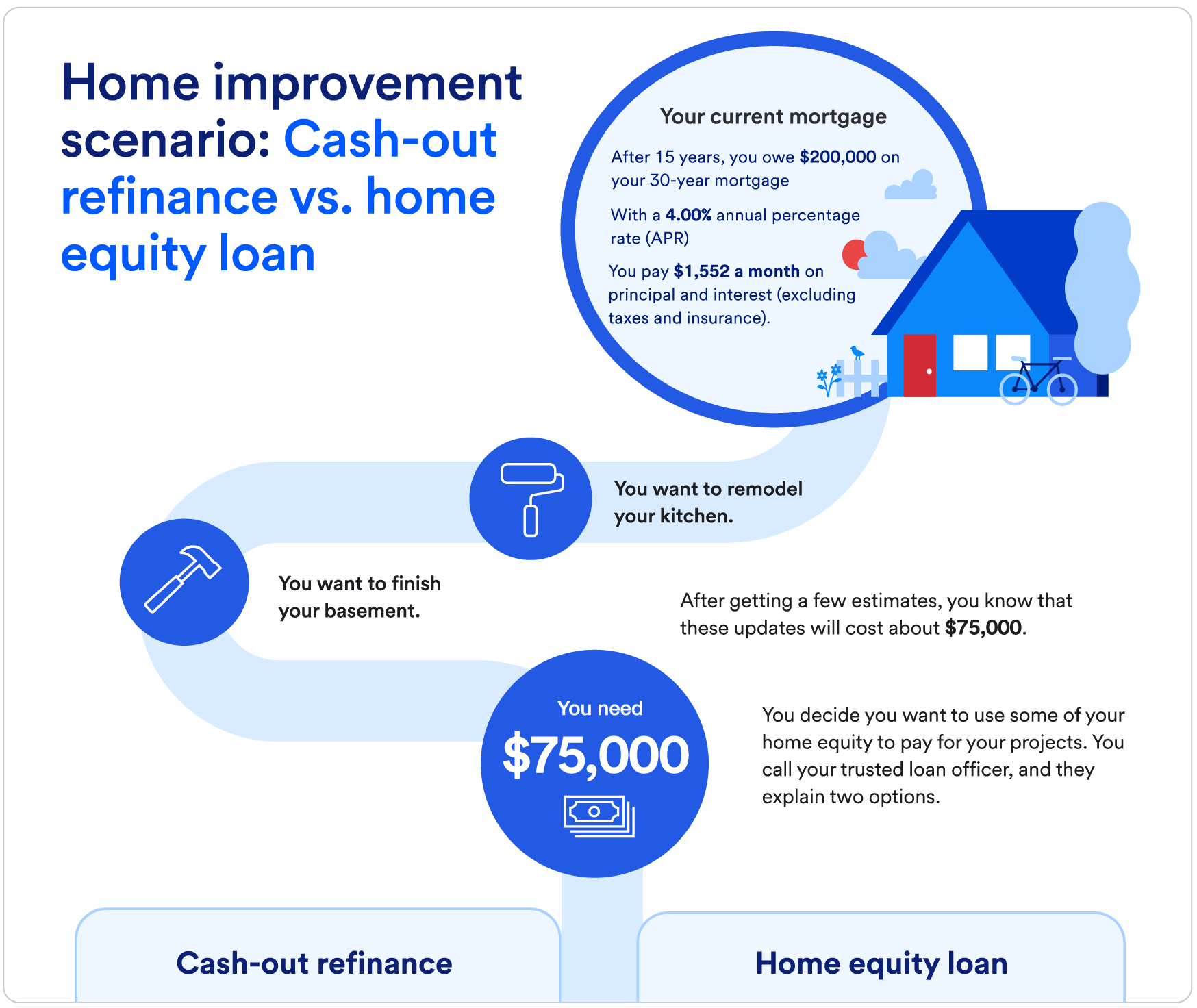
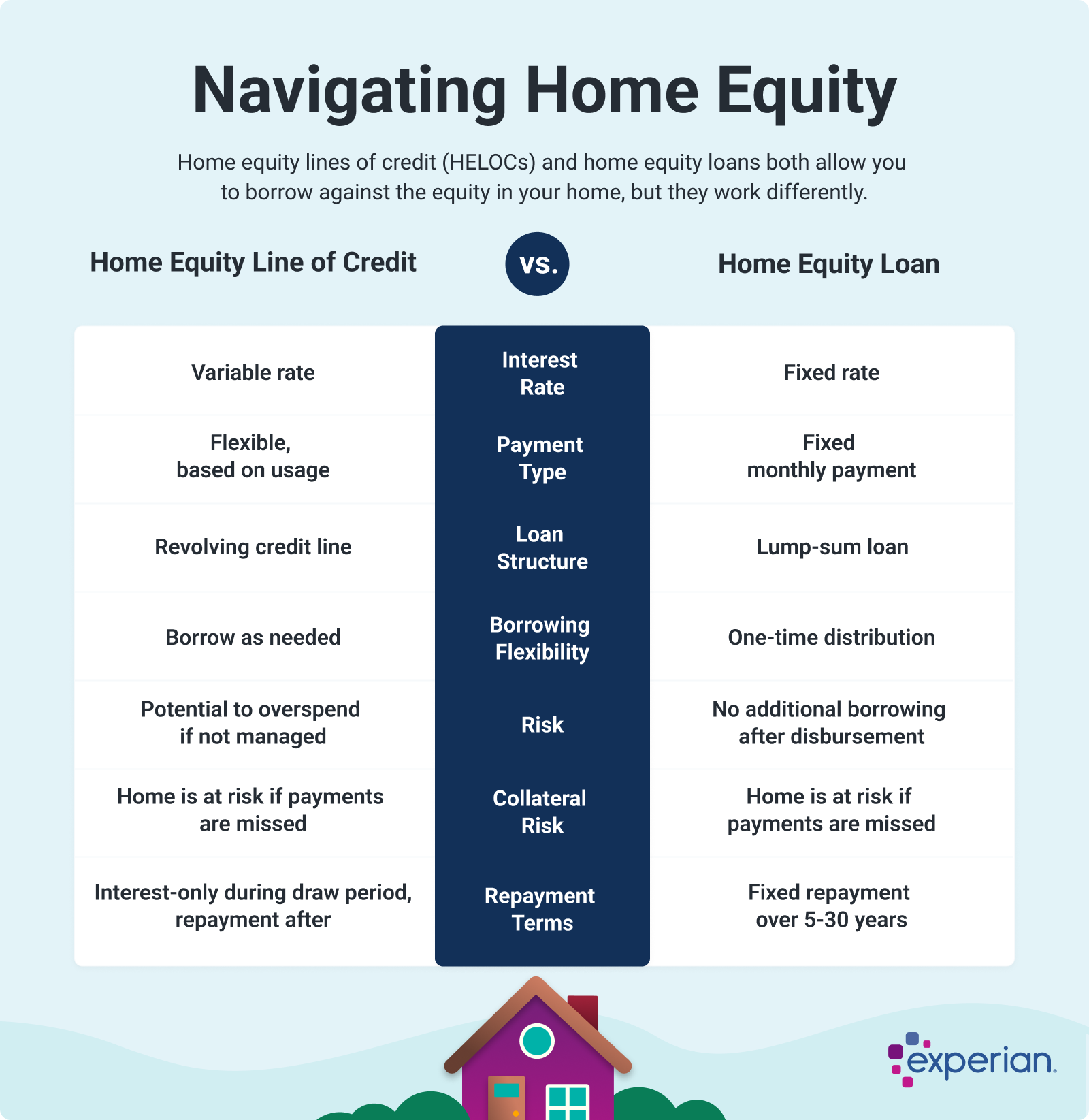
A home equity loan lets you borrow money using the value of your home. You receive a lump sum and pay it back over a fixed term, usually with a fixed interest rate. These loans are different from home equity lines of credit (HELOCs), which work more like a credit card with variable rates.
Home equity loans are best for big expenses, such as:
- Renovations
- Debt consolidation
- Medical bills
- Education costs
Because your home secures the loan, interest rates are often lower than personal loans or credit cards.
Factors That Affect Home Equity Loan Rates
Understanding the factors that influence loan rates will help you compare options more effectively.
1. Credit Score
Higher scores mean lower rates. Lenders see borrowers with good credit as less risky.
2. Loan-to-value Ratio (ltv)
This compares your loan amount to your home’s value. Lower LTVs get better rates.
3. Loan Amount
Larger loans sometimes come with slightly higher rates.
4. Loan Term
Shorter terms usually have lower rates, but higher monthly payments.
5. Market Conditions
Rates change based on the economy and Federal Reserve policy.
6. Lender Type
Banks, credit unions, and online lenders offer different rates and fees.
Current Home Equity Loan Rates: An Overview
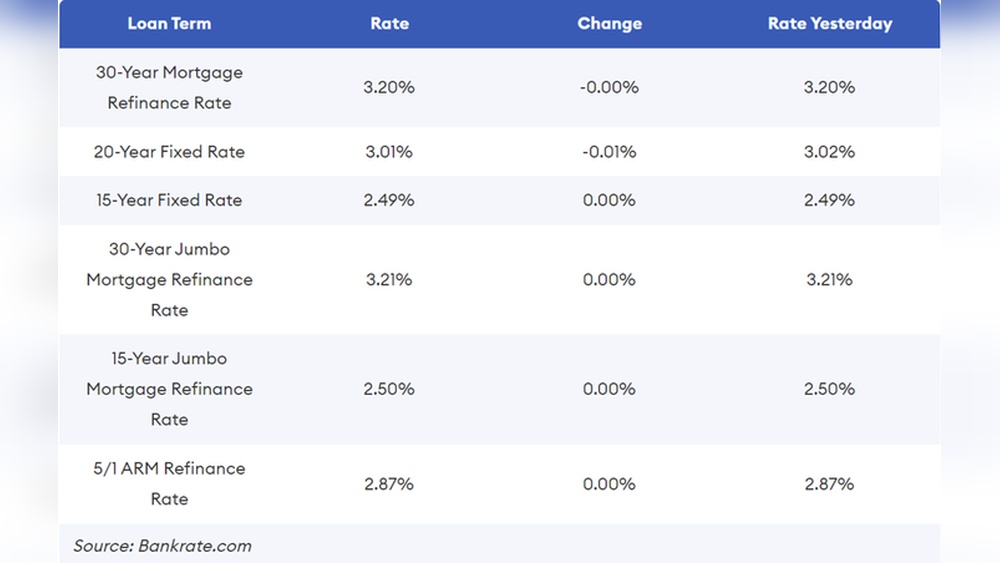
Rates can change quickly. As of early 2024, home equity loan rates in the US typically range from 6.5% to 9.5% APR for borrowers with good credit. The national average is about 7.7% APR.
Here is a comparison of rates from different lenders:
| Lender | APR (Fixed) | Min. Credit Score | Loan Term |
|---|---|---|---|
| Wells Fargo | 7.25% | 660 | 5-30 years |
| Bank of America | 7.60% | 680 | 10-20 years |
| Chase | 7.80% | 640 | 5-20 years |
| Credit Union (avg.) | 7.10% | 620 | 5-15 years |
| Online Lender | 8.30% | 600 | 5-20 years |
Rates above are for borrowers with strong credit and at least 20% equity.
How To Compare Home Equity Loan Rates
Comparing rates is more than just looking at the APR. You should also consider fees, loan terms, and your own financial situation.
Steps To Compare Rates
1. Check Your Credit Score
Before applying, know your score. Improve it if possible for better rates.
2. Calculate Your Home Equity
Subtract your mortgage balance from your home’s value. Most lenders require at least 15–20% equity.
3. Get Rate Quotes
Request quotes from at least three lenders. Use online rate tools for quick comparisons.
4. Review Fees And Costs
Look at origination fees, appraisal fees, and closing costs. Some lenders offer no-fee loans, but may charge higher rates.
5. Compare Loan Terms
Decide if you want a shorter or longer repayment period. Shorter terms save on interest but cost more monthly.
6. Read Fine Print
Check for prepayment penalties, balloon payments, or hidden fees.
Example Rate Comparison
Suppose you want to borrow $50,000 for home improvement. You receive three offers:
| Lender | APR | Monthly Payment | Total Interest (10 yrs) |
|---|---|---|---|
| Lender A | 7.2% | $582 | $19,840 |
| Lender B | 7.8% | $599 | $21,880 |
| Lender C | 8.4% | $617 | $23,920 |
Choosing Lender A saves you $4,080 in interest compared to Lender C.

Fixed Vs. Variable Rates
Home equity loans usually have fixed rates, while HELOCs have variable rates. Fixed rates mean predictable payments. Variable rates can change, often following market indexes.
Pros Of Fixed Rates
- Stable monthly payments
- Easier budgeting
- Protection from rate increases
Cons Of Fixed Rates
- Higher initial rate than some HELOCs
- Less flexibility
Pros Of Variable Rates
- Lower initial rate
- Flexible borrowing
Cons Of Variable Rates
- Payments can rise
- Harder to predict costs
Choose fixed rates if you want certainty. Choose variable rates if you plan to pay off the loan quickly or expect rates to drop.
Fees And Costs: What To Watch For
Interest rate is important, but fees add to your total cost. Typical fees include:
- Origination fee: 0.5–2% of loan amount
- Appraisal fee: $300–$700
- Closing costs: $500–$2,000
- Annual fee: $0–$50 (some HELOCs)
Some lenders offer “no-fee” loans, but often charge a higher rate or include fees elsewhere. Always ask for a full breakdown.
Non-obvious Insights When Comparing Rates
Many people miss these important points:
1. Rate Discounts For Automatic Payments
Some lenders offer lower rates if you set up auto-pay from their bank.
2. Relationship Discounts
If you have other accounts (checking, savings, mortgage) with the lender, you may get a better rate.
3. Lock Periods
Rate quotes are often good for only 30–60 days. If your loan closes later, the rate may change.
4. Loan Size Impact
Smaller loans sometimes have higher rates due to fixed processing costs.
5. State Regulations
Some states limit fees or require certain disclosures, which can affect your rate and costs.
Common Mistakes When Comparing Home Equity Loan Rates
Avoid these errors:
- Focusing only on APR, ignoring fees
- Not checking your credit score first
- Choosing the first offer without shopping around
- Overlooking prepayment penalties
- Ignoring the impact of loan term on total interest
Tips For Getting The Best Rate
You can improve your chances of securing a low rate by following these strategies:
1. Improve Your Credit Score
Pay down debts, correct errors, and avoid new loans before applying.
2. Increase Your Equity
If possible, pay extra toward your mortgage to boost your LTV.
3. Shop Multiple Lenders
Get quotes from banks, credit unions, and online lenders.
4. Negotiate
Ask lenders if they can match or beat competitor rates.
5. Consider Using A Broker
Mortgage brokers can access multiple lenders and sometimes find better deals.
Comparing Home Equity Loans Vs. Helocs
Many people confuse home equity loans with HELOCs. Both use your home as collateral, but they work differently. Here is a quick comparison:
| Feature | Home Equity Loan | HELOC |
|---|---|---|
| Rate Type | Usually fixed | Usually variable |
| Loan Structure | Lump sum | Credit line |
| Repayment | Fixed payments | Flexible payments |
| Best For | One-time expenses | Ongoing or unpredictable costs |
| Fees | Closing costs, origination | Annual, closing, origination |
If you need a large, one-time amount with predictable payments, a home equity loan is usually better.
How Rate Changes Affect Monthly Payments
Even small changes in interest rate can have a big impact over time. For example, on a $50,000 loan over 10 years:
- At 7.5% APR: Monthly payment is $593
- At 8.5% APR: Monthly payment is $621
That is a difference of $28 per month, or $3,360 over 10 years.
How Lenders Decide Your Rate
Lenders use several factors to set your rate:
- Credit score: Higher scores get lower rates.
- Home value and equity: More equity means less risk.
- Debt-to-income ratio: Lower ratios are better.
- Loan amount: Larger loans can mean higher rates.
- Employment history: Stable jobs help.
- Property location: Some areas have higher risk.
They may also use automated tools and manual reviews. If you have strong credit and plenty of equity, you can negotiate for a lower rate.
Should You Refinance A Home Equity Loan?
If you already have a home equity loan, refinancing can help lower your rate or adjust your payment term. Consider refinancing if:
- Rates have dropped since you got your loan
- Your credit score has improved
- You want a different payment period
Compare costs carefully. Refinancing often includes new fees and closing costs. Make sure the savings are worth it.
Finding Trusted Lender Information
Use official sites and trusted resources to compare rates. For up-to-date averages and lender lists, visit the Consumer Financial Protection Bureau.
Frequently Asked Questions
What Is The Average Home Equity Loan Rate In 2024?
The average rate is around 7.7% APR for borrowers with good credit. Rates can change often, so check the latest offers before applying.
Can I Get A Home Equity Loan With Bad Credit?
Yes, but rates will be higher. Most lenders require at least a 600 credit score. If your score is lower, consider improving it first or applying with a co-signer.
How Much Can I Borrow With A Home Equity Loan?
Most lenders let you borrow up to 80–85% of your home’s value, minus your current mortgage balance. The exact amount depends on your credit, income, and lender rules.
Are Home Equity Loans Tax-deductible?
Interest is usually tax-deductible if you use the loan for home improvements. Check IRS rules or ask a tax professional to be sure.
What Happens If I Miss Payments On A Home Equity Loan?
Missing payments can lead to late fees and damage your credit. If you fall far behind, the lender can start foreclosure. Always contact your lender if you face payment trouble.
Choosing the right home equity loan rate can save you money and reduce stress. Take time to compare offers, understand fees, and ask questions. With careful planning, you will find a loan that fits your needs and budget.
Read More:
- Best Term Life Insurance Companies: Top Picks for 2026
- Insurance Explained: Smart Tips to Protect Your Future Today
- Homeowners Insurance Quote: How to Save Big on Your Policy
- Compare Auto Insurance Rates: Find the Best Deals in Minutes
- Car Insurance Quotes Online: Compare Rates and Save Today
- Personal Loan Pre Approval Online: Fast Track Your Approval Today
- Debt Consolidation Loan Rates: How to Find the Best Deal
- Best Mortgage Refinance Rates: Unlock the Lowest Rates Today