
Insurance is a topic that touches nearly every part of modern life. From protecting your home and car to securing your family’s future, insurance is a safety net that helps you manage risks. But understanding insurance can feel confusing, especially if English isn’t your first language.
In this article, you’ll learn what insurance really is, how it works, why it’s important, and how to choose the right policy. We’ll use simple words, real examples, and easy explanations to make insurance clear and useful for you.
What Is Insurance?
Insurance is a contract between you and a company. You pay a set amount of money, called a premium, and in return, the company promises to help you financially if something bad happens. This could be an accident, illness, fire, or theft. The main idea is to share risks. Instead of facing a big loss alone, you pay a little over time so you’re protected if disaster strikes.
For example, if you have car insurance and crash your car, the company pays for repairs or replacement, depending on your coverage. If you have health insurance, the company pays part of your medical bills. Insurance can cover many things—homes, businesses, life, travel, and even pets.
Types Of Insurance
There are many kinds of insurance, but some are much more common and important than others. Here are the main types you’ll see:
Life Insurance
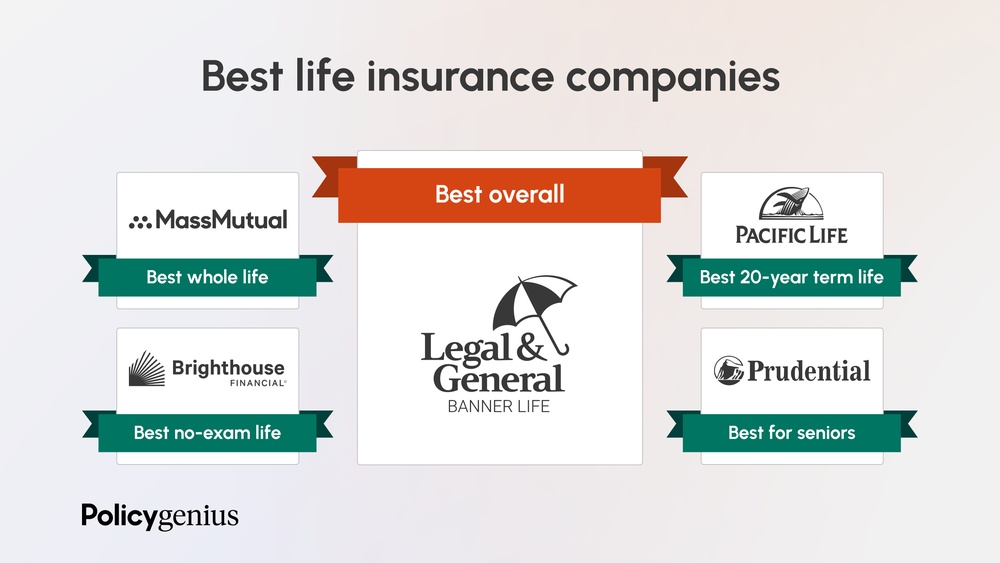
Life insurance pays money to your family or chosen person if you die. This helps them cover bills, funeral costs, or other needs. There are two main types:
- Term life insurance: Covers you for a set time, like 10 or 20 years. If you die during that time, the company pays.
- Whole life insurance: Covers you for your whole life and builds cash value you can use.
Health Insurance
Health insurance helps pay for doctor visits, hospital stays, medicines, and surgeries. Without it, medical costs can be very high. In the US, over 60% of bankruptcies are caused by medical bills.
Auto Insurance
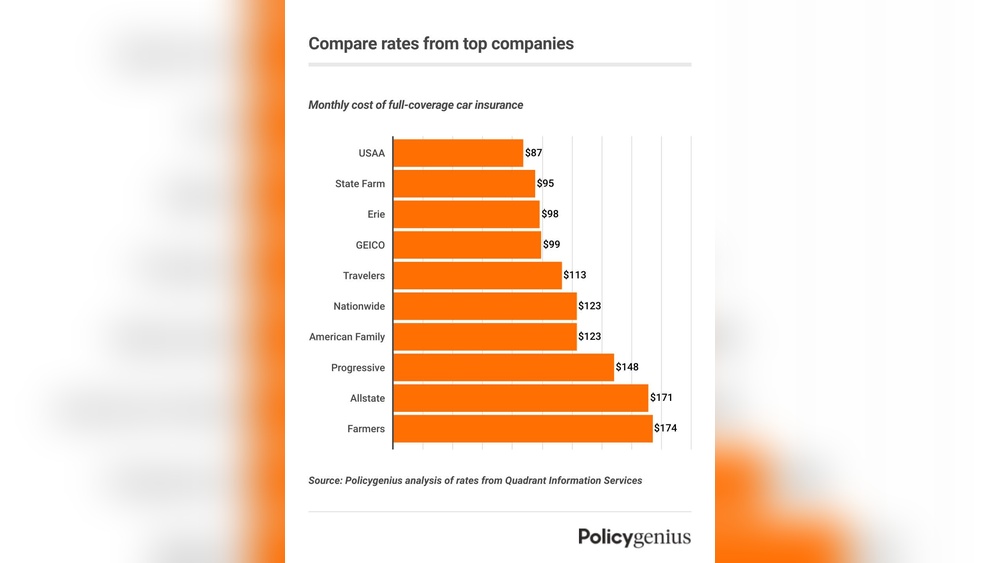
Auto insurance covers damage to your car, injuries to people, and damage to other cars or property. It’s required by law in most places. There are different types:
- Liability: Pays if you hurt someone or damage property.
- Collision: Pays for damage to your car.
- Comprehensive: Covers things like theft, fire, or floods.
Homeowners And Renters Insurance
Homeowners insurance protects your house and belongings from damage, theft, or disasters. Renters insurance covers your personal items if you don’t own the home. Both can help pay for temporary housing if your place is damaged.
Travel Insurance
Travel insurance covers unexpected events when you travel, like trip cancellations, lost luggage, or medical emergencies abroad.
Other Types
Some less common types include pet insurance, business insurance, and disability insurance. Each serves a special purpose but works in a similar way.
How Insurance Works
Insurance is based on risk sharing. Many people pay premiums, but only a few will need big payouts each year. This lets companies cover large losses without charging everyone a huge amount. Here’s how the process usually goes:
- You buy a policy and pay a premium, either monthly or yearly.
- If something covered happens (like an accident or illness), you file a claim.
- The company reviews your claim and decides if it’s covered.
- If approved, they pay you or the provider, up to the limits in your policy.
The company uses statistics to decide how much to charge. If the risk is higher (for example, a driver with many accidents), the premium goes up.
Insurance Terms Explained
Understanding some basic terms will help you read policies and make smart choices:
- Premium: The amount you pay for coverage, usually each month or year.
- Deductible: The amount you pay out of pocket before insurance helps.
- Claim: Your request for payment after an event.
- Coverage limit: The maximum the company will pay.
- Exclusion: Things the policy does not cover.
Why Insurance Matters
Insurance protects you from big, unexpected costs. Without it, a car crash, house fire, or illness could ruin you financially. Here are some reasons insurance matters:
- Peace of mind: You know you’re covered if something goes wrong.
- Legal requirement: Some insurance (like auto) is required by law.
- Financial security: Helps pay for losses, so you don’t have to use all your savings.
- Support for loved ones: Life insurance can help your family if you’re gone.
An important insight is that insurance is not just about money—it’s about avoiding stress and uncertainty. Many people think they’ll never need it, but accidents and disasters are unpredictable.
:max_bytes(150000):strip_icc()/InsurancePremium_Final_4194539-49c5df26fba746b0b9d16de6e302fdf5.jpg)
Choosing The Right Insurance
Picking the right insurance can be tricky. Here’s what matters:
Compare Coverage And Costs
Look at what the policy covers and how much it costs. Don’t just pick the cheapest. A low premium might mean less coverage or higher deductibles.
| Type | Basic Coverage | Average Annual Premium (US) | Deductible Range |
|---|---|---|---|
| Auto | Liability, Collision, Comprehensive | $1,070 | $500-$1,000 |
| Homeowners | Fire, Theft, Natural Disasters | $1,428 | $500-$2,000 |
| Health | Doctor, Hospital, Prescription | $7,739 (individual) | $1,000-$7,000 |
Check Policy Details
Read the policy carefully. Make sure you understand:
- What events are covered
- What’s excluded
- How much the coverage limit is
- How much you pay before insurance helps
Common Mistakes
Many beginners make these mistakes:
- Ignoring exclusions: Not checking what isn’t covered.
- Focusing only on price: Choosing the cheapest without enough coverage.
- Not updating the policy: Failing to adjust coverage as life changes (new car, moving, marriage).
A non-obvious tip: Always review your policy after big life events. For example, if you buy expensive items or move to a risky area, update your coverage.
Insurance Companies And Ratings
There are thousands of insurance companies. Some are large and trusted, others are smaller or new. Choosing a good company is important for getting help when you need it.
How Companies Are Rated
Companies are rated for their financial strength and customer service. Organizations like AM Best and J.D. Power give ratings.
| Company | Financial Strength | Customer Satisfaction |
|---|---|---|
| State Farm | A++ | High |
| Geico | A++ | Medium |
| Allstate | A+ | Medium |
How To Choose A Company
- Look for strong ratings
- Check reviews from real customers
- Ask about claim speed and process
- Compare coverage and price with other companies
A smart move: Ask your agent or broker about companies’ claim history. Sometimes, a company with a low price is slow to pay claims.
The Claims Process
When you need help, you file a claim. The process can be easy or stressful, depending on the company and policy.
Steps To File A Claim
- Report the event (accident, illness, etc.) As soon as possible.
- Fill out claim forms with details and proof (photos, receipts).
- Send documents to the company.
- Wait for review—the company may ask for more info.
- Get payment or repair if approved.
Some companies offer online or mobile claims, making the process faster. Always keep records and ask questions if unsure.
Common Claim Problems
- Missing documents or proof
- Filing late
- Not understanding coverage
- Disputes over payment
A tip: Keep a file of all documents and communication. This helps if you need to appeal or follow up.
Insurance And Technology
Insurance is changing with new technology. Apps, online tools, and artificial intelligence (AI) are making buying and managing insurance easier.
Examples
- Online quotes: Get prices in minutes
- Mobile apps: Manage policies, file claims, track status
- Telematics: Devices in cars to track driving, lower premiums for safe drivers
A non-obvious insight: Some companies offer discounts if you use technology, like installing smart home devices or safe driving apps.

Insurance Worldwide
Insurance is common in the US, Europe, and parts of Asia, but in some countries, it’s less popular. Laws and costs differ. For example, health insurance is mostly private in the US, but public in many European countries.
| Country | Health Insurance System | Average Coverage Rate |
|---|---|---|
| United States | Private/Public Mix | 91% |
| Germany | Public | 99% |
| India | Mostly Private | 15% |
This shows how insurance is more common and affordable in some places than others.
Tips For Saving On Insurance
Insurance can be expensive, but you can lower costs:
- Shop around: Compare prices from different companies
- Bundle policies: Buy home and auto from the same company for discounts
- Increase deductibles: Pay more out of pocket for lower premiums
- Improve safety: Safe driving, security systems, healthy habits can earn discounts
Another tip: Ask about no-claims bonus or rewards for staying claim-free.
Frequently Asked Questions
What Is The Difference Between Premium And Deductible?
A premium is the amount you pay regularly (monthly or yearly) for insurance. A deductible is what you pay yourself when you make a claim, before insurance pays the rest.
Do I Need Insurance For Everything?
No, but you need insurance for risks you can’t afford to handle alone. Auto insurance is required by law, health insurance is strongly recommended, and homeowners insurance is needed if you own a house. Think about your situation and what you want to protect.
How Can I Check If An Insurance Company Is Trustworthy?
Check company ratings from trusted sources like AM Best or J.D. Power. Also, read real customer reviews. For deeper research, visit National Association of Insurance Commissioners.
What Happens If I Miss A Premium Payment?
If you miss a payment, your policy may be canceled. You might lose coverage and have to reapply. Some companies offer a grace period, but don’t rely on it—always pay on time.
Can I Change My Insurance Policy After Buying?
Yes, you can usually change or update your policy. Contact your company or agent to adjust coverage, add benefits, or remove extras. Review your policy every year or after big life events.
Insurance is a smart way to protect your money, your belongings, and your loved ones. While it can feel complicated, taking time to understand the basics and review your needs can save you from big losses. Use the tips and data in this article to make better choices, avoid common mistakes, and gain peace of mind.
The right insurance is not just a rule—it’s a real shield against life’s surprises.
Read More:
- Best Term Life Insurance Companies: Top Picks for 2026
- Homeowners Insurance Quote: How to Save Big on Your Policy
- Compare Auto Insurance Rates: Find the Best Deals in Minutes
- Car Insurance Quotes Online: Compare Rates and Save Today
- Personal Loan Pre Approval Online: Fast Track Your Approval Today
- Home Equity Loan Rates Comparison: Find the Best Deals Today
- Debt Consolidation Loan Rates: How to Find the Best Deal
- Best Mortgage Refinance Rates: Unlock the Lowest Rates Today